
Napoleon: A Timeless Card Game that Combines Strategy and Chance
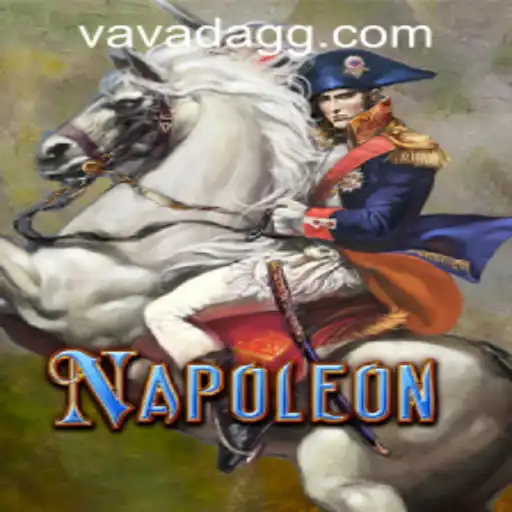
The game Napoleon is an engaging trick-taking card game that has captured the interest of gaming enthusiasts for centuries. Originating in 19th-century Europe, it is believed to be named after the French military leader Napoleon Bonaparte. The game's charming combination of strategy and chance draws parallels with modern-day card games like poker and bridge, making it a timeless pastime that continues to resonate in today's fast-paced digital world.
Introduction to Napoleon
Historically steeped in the context of the Napoleonic Wars, Napoleon is predominantly played in the United Kingdom and Japan, where it is also known by the name 'Nap'. The game requires a standard deck of 52 cards and is typically played by five players. The objective is to win tricks, with a significant emphasis on strategic bidding and card play, akin to many of today’s competitive card games.
The Gaming Experience
One of the most fascinating aspects of Napoleon is its blend of luck, skill, and the psychological aspects of reading your opponents. This combination provides a well-rounded gaming experience that has inspired contemporary card and board games globally, especially in the wake of a renewed interest in traditional games during the recent global shift towards at-home entertainment.
Core Rules of Napoleon
The rules of Napoleon are straightforward yet rich in strategic complexity:
- Setup: The game starts with a dealer distributing five cards to each player, setting aside a smaller pile, usually called the 'widow', which remains face down during the initial part of the game.
- Bidding: The player seated left to the dealer initiates the bidding. The bids indicate the number of tricks a player expects to win, with one becoming the minimum and calling 'Napoleon' as the top bid, implying the player intends to win all five tricks.
- Gameplay: Once bidding concludes, the dealer offers the 'widow' to the winning bidder, who then discards an equivalent number from their hand. Following this preparation, the player leads with a card, and others must follow suit if able.
- Winning Tricks: Each trick is determined when a player plays a card of the highest ranking suit or a trump card, if one is played. The winner of each trick leads the next round of play, and this sequence persists until all cards have been played.
Scoring
Napoleon's scoring system is straightforward yet ensures a balanced game.:
- If a Napoleon call succeeds, the player scores additional points, often incentivizing boldness in play.
- If the Napoleon call fails, the player experiences a deduction in points, thus imposing a strategic risk factor.
The Strategy Behind Napoleon
While luck does play a role, expert players rely heavily on their strategic acumen. Effective card counting, anticipating opponents' moves, and having a strong sense of when to bid high or play conservatively are integral to achieving mastery. As the digital gaming industry has seen a resurgence of interest in strategic games, the increased popularity of traditional card games like Napoleon in online tournaments resonates with current market trends emphasizing mental skills and strategic depth.
Impact of the Modern Gaming Landscape
Recent advancements in the digital realm, including platforms such as kb.bet-lucky rabbit, have facilitated a renaissance in traditional gaming forms, offering more accessible and diverse experiences to a global audience. Platforms like these provide a virtual venue where Napoleon can thrive alongside contemporary card games, allowing players worldwide to connect, compete, and appreciate the tactical nuances of such an age-old game directly from the comfort of their homes.
Global Variations and Current Trends
While the game remains primarily popular in select regions, its appeal has begun to infiltrate other parts of the world, encouraged by online accessibility and innovative adaptations that blend rules and mechanics from various cultural contexts. Today’s gaming environment values adaptability and inclusivity, making Napoleon an excellent candidate for broader introduction outside its traditional settings.
The allure of Napoleon today lies in its ability to provide both a historical link to classic games and a platform that encourages player interaction, strategy, and entertainment. As gaming continues to evolve, the historical charm of games like Napoleon serves not only to entertain but to educate players about the heritage of tactical gaming.
In a constantly changing digital landscape, where both physical and online spaces merge, traditional games that involve strategic thinking and complex interactions continue to hold significant relevance. They offer the gaming community a bridge between past and present, ensuring the legacy of memorable games like Napoleon endures for future generations to enjoy.